
How can museums and cultural heritage help people connect with themselves, with others, and with society? Through research, audience engagement and a commitment to inclusion, KMOP is contributing to the META-MUSEUM project’s exploration of the transformative power of cultural experiences. At the heart of this work is a question: what makes cultural heritage meaningful to people, including those who rarely visit museums?
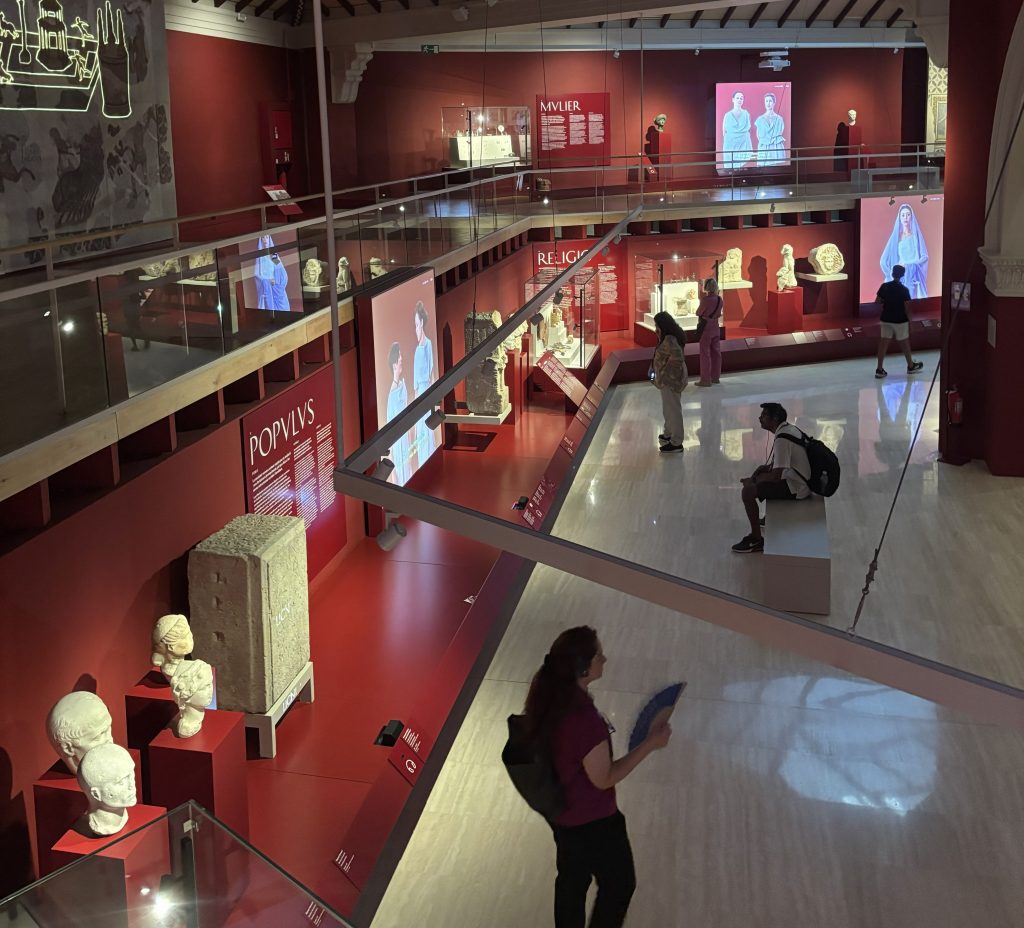

Beyond the museum walls: Understanding the power of culture
Have you ever stood in front of a painting, an ancient object or a historical monument and felt something unexpected? Perhaps it reminded you of a personal experience, helped you see the world differently, or made you feel connected to people you have never met.
Cultural heritage is more than the exhibits, objects and traditions we inherit from the past. It can also be a source of emotion, reflection, learning and connection. Yet people experience culture in different ways, and not everyone has the same opportunities to engage with it.
This is the starting point of META-MUSEUM, a project exploring how cultural heritage can support empathy, inclusion, personal well-being and social cohesion. Through an interdisciplinary approach, the project is developing the TransforMEANS Theory to better understand how cultural experiences may contribute to meaningful change in people’s lives. The framework brings together insights from different disciplines to examine how these experiences relate to people’s emotions, perspectives and relationships.
KMOP and META-MUSEUM: Connecting research with people’s real lives
How can we understand whether a cultural experience makes a difference in someone’s life? What does it mean to be emotionally engaged with cultural heritage? And under what conditions might these experiences contribute to personal confidence, resilience and stronger social connections?
These questions require more than studying museum objects or measuring how many people visit cultural venues. They require an understanding of people’s emotions, backgrounds, needs and everyday experiences.
Drawing on its experience in social sciences, research, social inclusion and community well-being, KMOP contributes to building the theoretical and methodological foundations that guide META-MUSEUM’s work. The aim is to connect ideas about the transformative power of culture with evidence about how people actually experience it. This means considering whose experiences are captured by the research and whose perspectives may be missing.
To understand this potential, the project examines cultural experiences in their social context. Cultural heritage may offer opportunities for reflection, emotional engagement and new perspectives, but these possibilities should not be taken for granted. Research can help identify the conditions that support such experiences and the barriers that limit them.
By helping establish the project’s theoretical foundations, KMOP supports an approach in which cultural experiences are examined not only for their cultural or educational value, but also for their potential to support well-being and a sense of belonging.
Listening to people: The META-MUSEUM audience survey
A central part of understanding cultural heritage is listening to the people who experience it and to those who rarely or never engage with museums and other cultural venues.
As part of Work Package 2 (WP2), which focuses on the project’s theoretical framework, KMOP is contributing to the project’s audience research through a survey that invites people from different backgrounds to share their views on museums, art and cultural heritage.
The survey recognises that meaningful cultural experiences are not limited to regular museum visitors or people with specialist knowledge. Someone who visits museums frequently may describe a powerful emotional connection with a work of art. Someone who rarely visits cultural venues may have equally valuable insights into what makes culture accessible, meaningful or difficult to approach.
Every perspective matters, including those of people who feel that museums are not for them.
By gathering people’s experiences and perceptions, the research seeks to develop a broader understanding of the relationship between cultural heritage, emotional engagement and everyday life. These insights can help refine the project’s research tools and guide future studies exploring the transformative potential of cultural experiences. The survey offers a starting point for further investigation; it does not, on its own, establish that cultural participation causes lasting change.
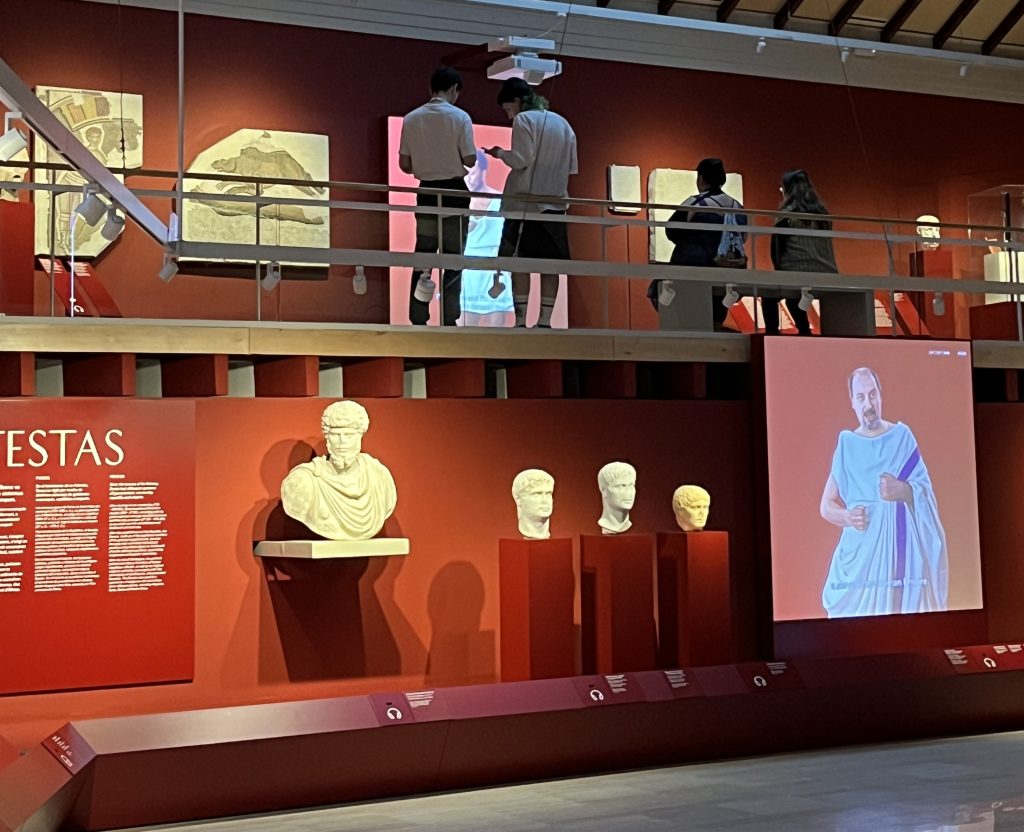
Why representation and inclusion matter
If we want to understand the role of cultural heritage in society, we need to listen to a wide range of people, not only those who already feel comfortable in museums.
People’s experiences of culture can be shaped by their age, education, social and economic circumstances, personal histories and opportunities to participate in cultural life. Some communities may face additional barriers, including language barriers, financial constraints, physical or other accessibility barriers, or the feeling that cultural spaces do not reflect their lives and experiences.
If research primarily reflects the experiences of regular museum visitors, it risks overlooking the perspectives of people who are less connected to cultural institutions.
For this reason, the META-MUSEUM audience research places particular importance on diversity, representation and the inclusion of people who may face barriers to cultural participation.
The sampling approach includes two main groups:
- Museum visitors, approached in museums and other participating cultural venues.
- The general population, recruited independently of museums, so that the research can include people with different levels of engagement with cultural heritage.
Both groups are recruited using the same screening questions and sampling framework. These help researchers monitor representation across gender, age and education, with set recruitment targets for gender and age and more flexible targets for education.
The methodology also includes targeted recruitment of people from groups that are often under-represented in research or face greater barriers to cultural participation, including immigrants. Recruitment progress is monitored daily, allowing the research team to redirect its efforts towards groups that are not yet sufficiently represented.
These measures reduce the risk of relying solely on the voices of those who are easiest to reach. They help broaden the range of experiences captured and support a more inclusive understanding of cultural participation.
Who takes part in the research shapes what we can learn from it. Including different experiences helps researchers ask more relevant questions and better understand the barriers that cultural institutions need to address.