
Have you ever stood in front of a masterpiece and felt
nothing, or been so moved by an object that you lost track of time? Emotions
shape what we notice, enjoy and remember. Yet museums have mostly learned how
visitors feel from questionnaires filled in after the visit.
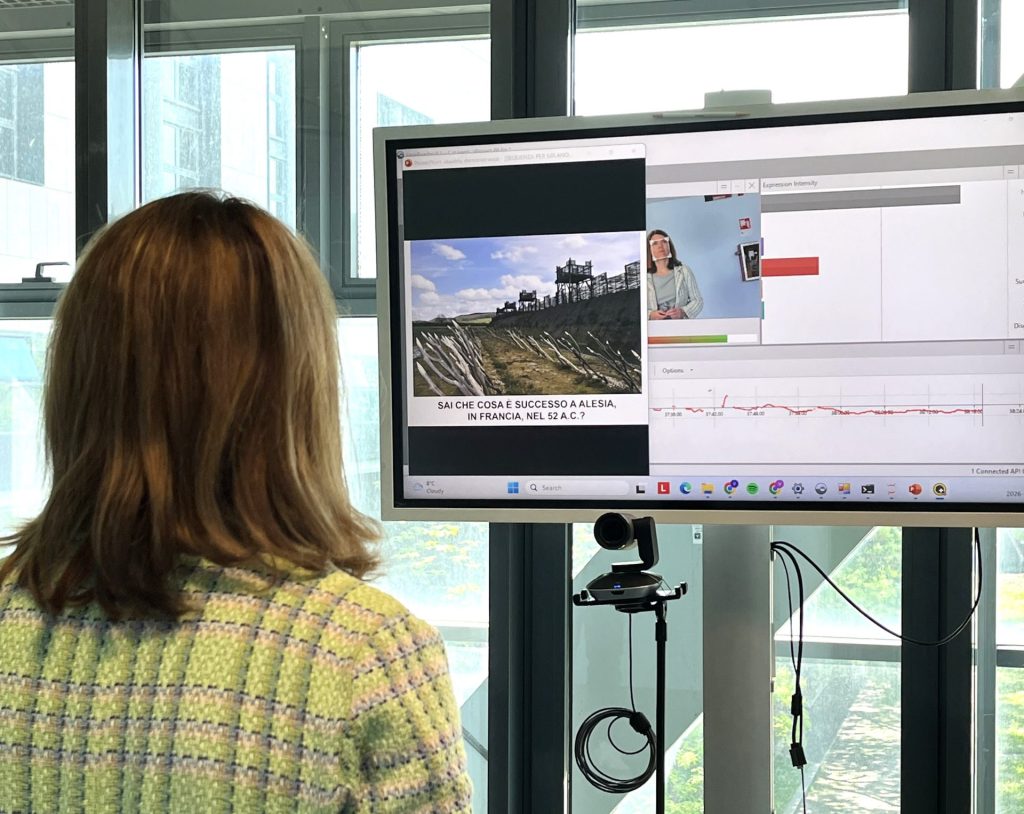
META-MUSEUM is exploring a different approach with M4,
short for Real-time Smart and Adaptive Museum Analytics.
What is M4?
M4 recognises visitors’ emotional states, such as interest,
surprise, boredom or stress, and helps the museum respond in the moment. The
aim is to turn quiet halls of exhibits into responsive spaces that speak to
visitors in the language of emotion.
Neuro-surveys: feedback beyond words
Traditional surveys capture what people say. M4’s neuro-survey
captures spontaneous emotional reactions as they happen, using anonymised data.
A visitor might tell us they loved an exhibit, while the neuro-survey reveals
the full range of feelings it stirred.
For curators, this shows which exhibits delight, which leave
people indifferent, and where “museum fatigue” sets in, so rest areas and
layouts can be planned better. It also suggests a new way of valuing exhibits:
by the emotional impact they have on the people who experience them.
Safer spaces
The same technology can support safety. In an emergency, it
can show staff which areas of a building have the highest levels of distress.
It can also alert security to unusual behaviour.
A global view
M4 also looks beyond the gallery walls. Its CHMmeter
tool combines Google search data with 71 national indicators to explore digital
innovation in cultural heritage and museums across over 90 countries. This helps
policymakers spot emerging trends and compare approaches.
The bigger picture
At its heart, M4 is about making museums more human: more
engaging, more inclusive and more attuned to the people who walk through their
doors.
Follow META-MUSEUM to see how we keep exploring technology
that brings heritage to life.